Bird Watching in South Central Kansas
Posted on April 10, 2013
Post by: Brad Wright
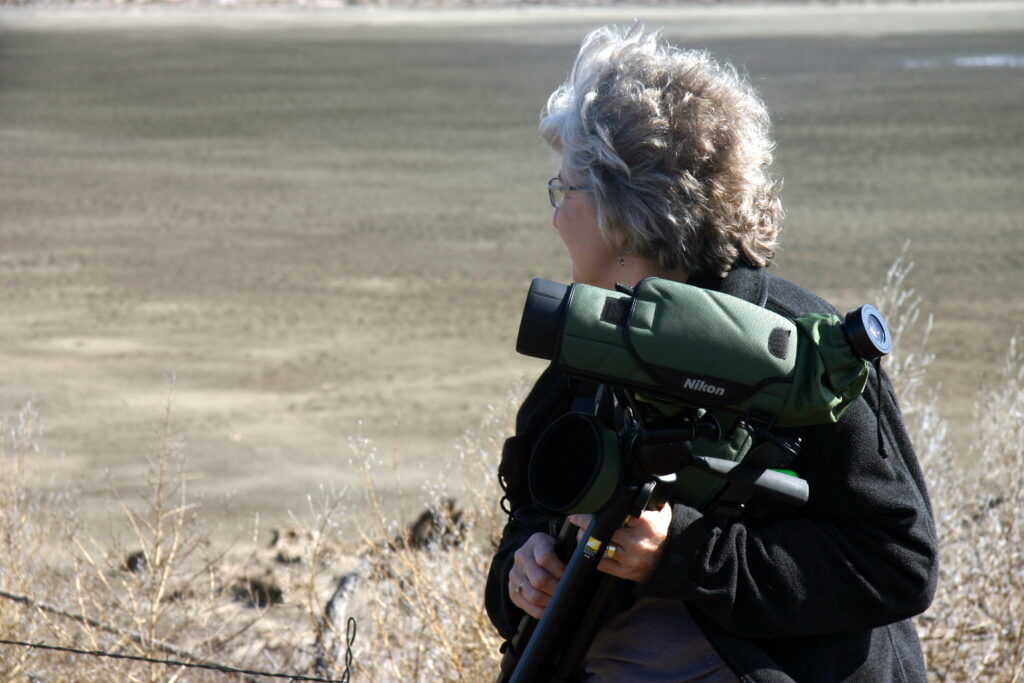
My wife Suzanne and I just got back from a fantastic birding trip to Quivira National Wildlife Refuge and Cheyenne Bottoms in South Central Kansas. There was all manner of waterfowl: wood ducks, redheads, buffleheads, scaup, a zillion shovelers, and several hundred ruddy ducks rafted in a huge mass on Big Salt Marsh along with the usual suspects. We didn’t see a cinnamon teal, but the blue and green-winged teal were great fun to watch as they cavorted doing their spring thing. We also saw lots of pheasants and heard bobwhite quail, which I enjoyed.
In addition to the multitude of waterfowl, we observed American Avocets, Black-Necked Stilts, Snowy Plovers, Marbled Godwits, Sandhill Cranes, Least, Baird’s, and Semipalmated Sand Pipers, Franklin’s Gulls, Ring-Billed Gulls, Bonaparte Gulls, Say’s Phoebe, and an assortment of sparrows, including Vesper, Harris’s, Swamp, and Song. We recorded over 75 different species, including 12 Whooping Cranes that used the Quivira area during our 4-day trip. Two arrived sometime Saturday night at the south pool but flew off as soon as the sun came up early Sunday morning. Sunday night, 10 arrived in the north pool but took off a little before dawn Monday morning, with Berry Jones of the USFWS the only person lucky enough to see them. Of course, we were at the north pool sunrise Sunday and the south pool sunrise Monday, so wrong place both times, but still very exciting knowing they had come through. Amazingly, those 12 Whooping Cranes represent about 3 to 4% of the world’s entire wild population of 300-400 Whoopers.
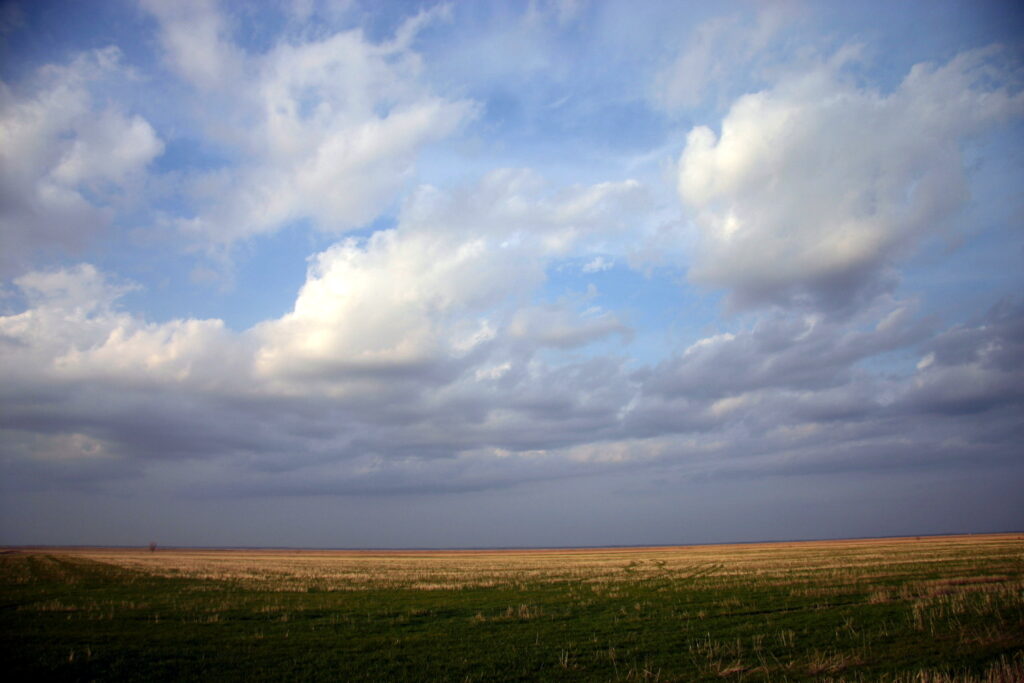
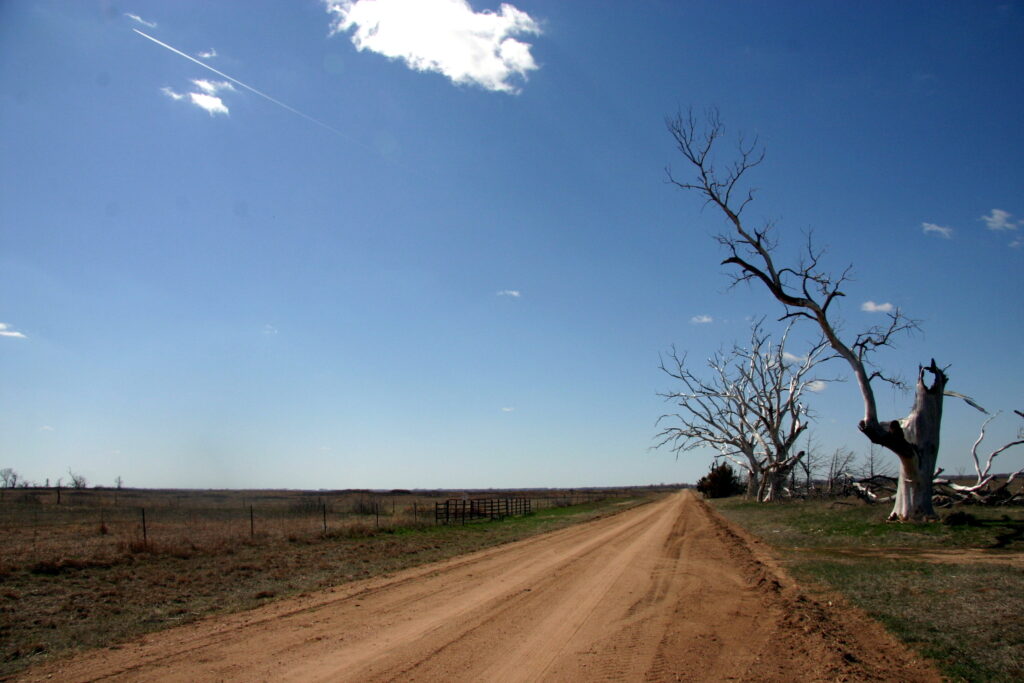
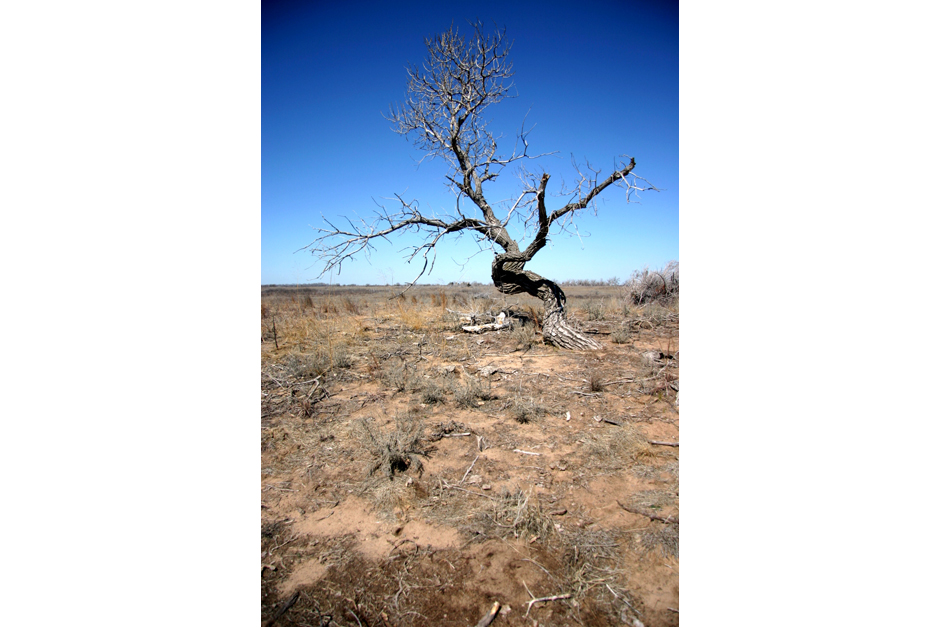
Most of the bird watching, including sightings of the 12 elusive Whoopers, was at Quivira because the area has an underground spring system that supplies water. Cheyenne Bottoms had no water! Only within the last month had the aquifers recharged sufficiently for the Quivira marshes to have water. Prior to the last month, they were bone dry. This area is entering its second year without measurable rain. Cheyenne Bottoms is a huge natural depression of the ground, roughly 60 square miles of bare dirt at the moment, with minimal vegetation such as tumbleweeds. 45%+ of all of the migrating birds in the Central Flyway, including all of the Whooping Cranes that exist in the World, depend on this area to rest their weary feathers on their journeys north and south every year. Sadly, the Arkansas River has no flow at present, and the area is experiencing dust storms.
In addition to the Kansas Parks and Wildlife-managed wetlands, the Nature Conservancy manages 8,000 more acres of the preserve. These areas are among the world’s top 10 wetlands of importance. Please take a moment to consider the importance of these areas to the continued existence of a balanced Ecosystem. Our support for government organizations such as Fish and Wildlife, the Department of Conservation, and Parks and Wildlife, as well as Not-for-profit organizations such as Ducks Unlimited, the Nature Conservancy, and Audubon, is critical. Money can make a difference! We have seen progress in the DU- and Nature Conservancy-funded preservation and restoration projects in these two areas.
Both Suzanne and I are DU Life Sponsors, and Suzanne is actively involved with Audubon, the Nature Conservancy, and the Missouri Master Naturalists. I encourage anyone who reads this to support these and similar organizations in whatever way possible. It is paramount for a quality life in which nature, with a balanced ecosystem, has a chance to thrive.